
Stonybrook Wiltshires
Ram auctionTuesday 24 November · Taupō SaleyardsDetailsNo shearing
No dagging
No crutching
No docking
No dipping
No fly strike
Ram Auction
Stonybrook Wiltshires two-tooth rams, selling in conjunction with Arvidson Wiltshires, Tuesday 24 November, Taupō Saleyards.
Sale starts 11am. Our two-tooths follow the Arvidson rams. Catalogue out Wednesday 4 November.
Our story
Stonybrook Wiltshires have been breeding high-quality Wiltshire sheep as a stud in the Waikato since 2015. All animals are pure-bred fully shedding Wiltshire ewes and are SIL recorded.
We have a strong focus on breeding an easy-care and low input sheep with high lambing percentages, good survivability, and fast growth rates. This results in significant savings on labour and agrichemical costs.

Why Wiltshire sheep?
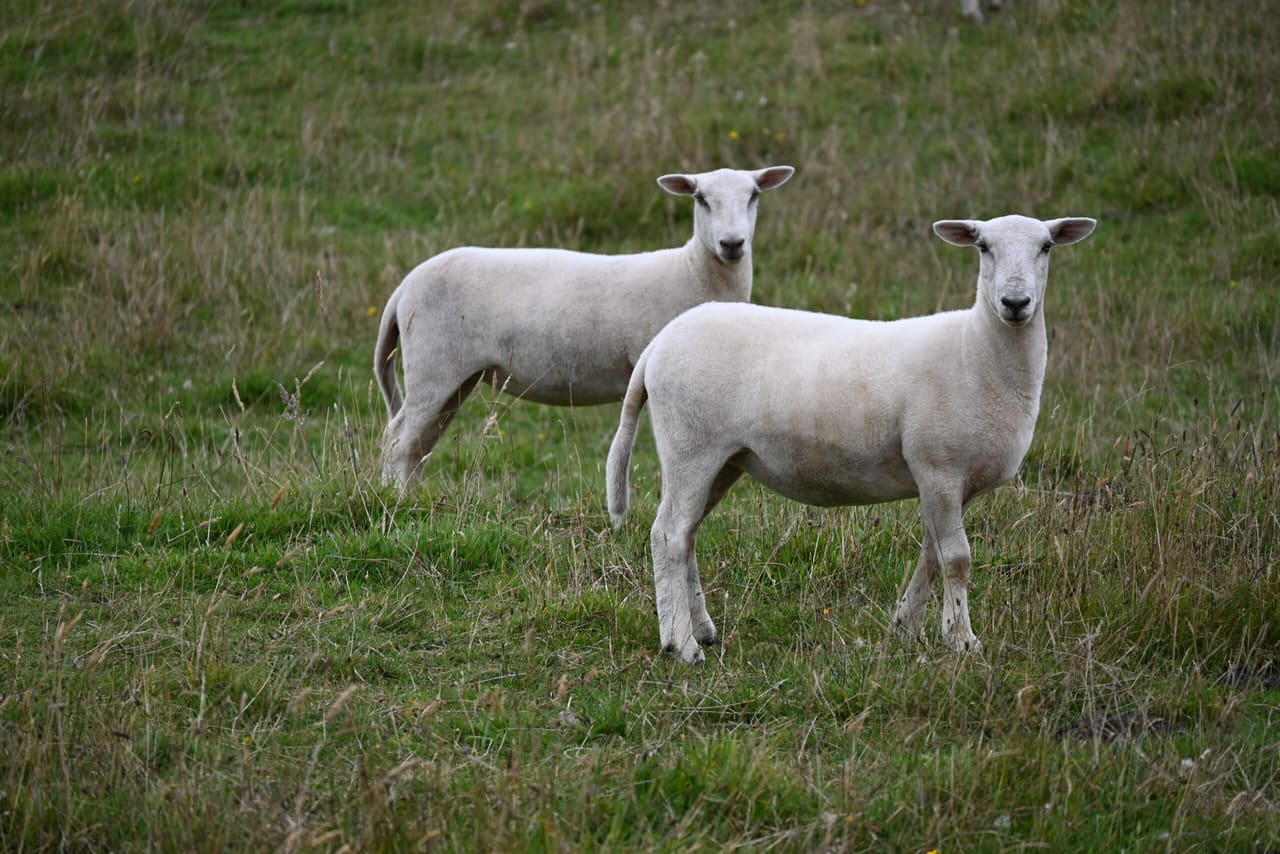
Wiltshires have a number of traits that make them an easy care sheep:
Our breeding strategy

Low maintenance
We have been actively selecting for a low maintenance sheep with a short wool cover, early shedding, good feet, and high parasite tolerance which means our sheep do not require shearing, crutching, dagging, or docking. They do not get fly strike and do not need to be dipped.
Easy & reliable lambing
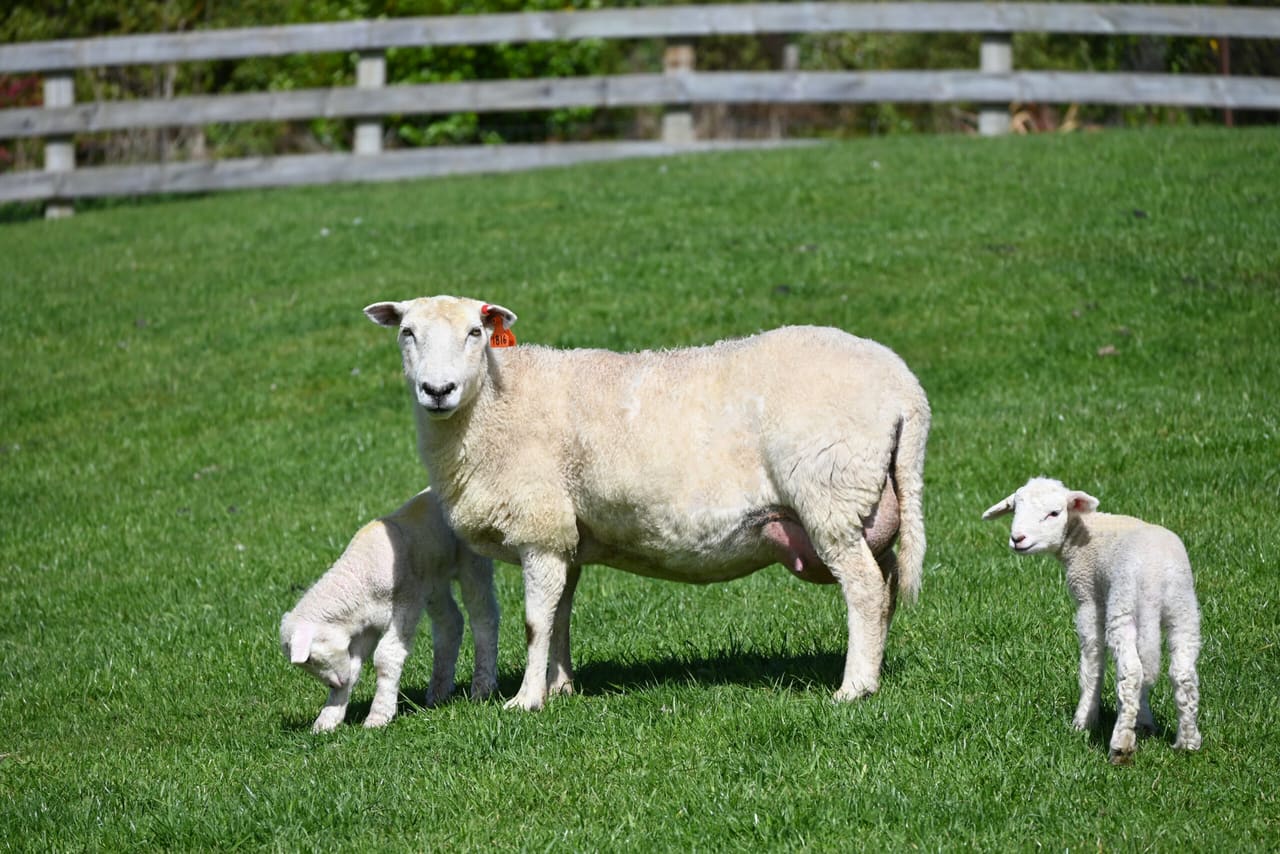
Our Wiltshires are very fertile, scanning between 180%-210%. We have a strong focus on selecting for lambing without intervention, good mothering instincts in the ewes, and survivability traits in the lambs.
Fast growing & muscular
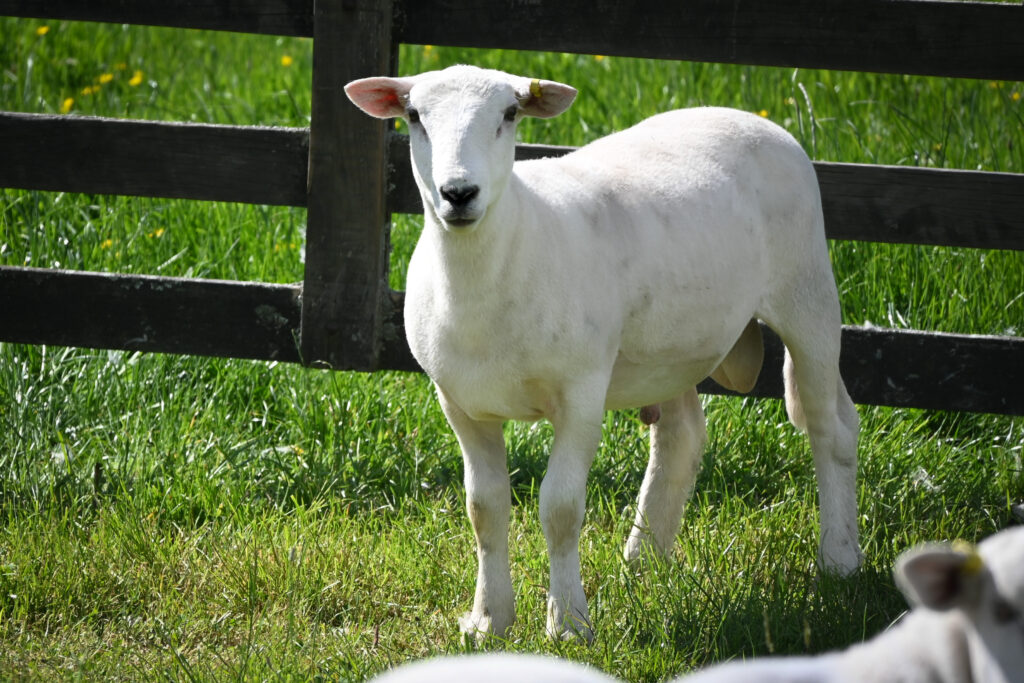
We carefully track growth in our flock with weaning and post-weaning weights, and use eye muscle scanning to objectively measure muscling. Combined with sires selected specifically for growth and carcase traits, this ensures our lambs develop quickly and carry strong, well-shaped muscling for better performance.
Parasite tolerance
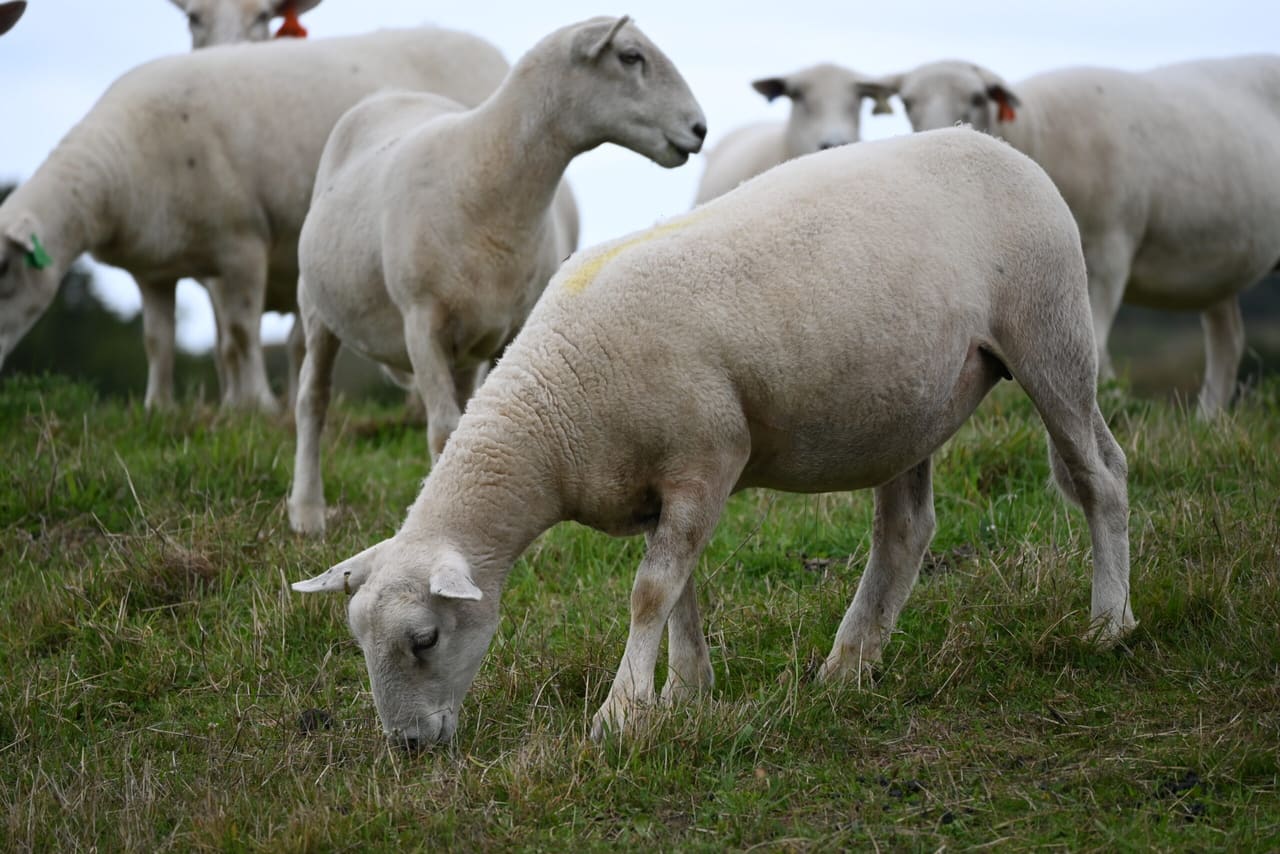
We combine CARLA testing with minimal drenching to build a flock with natural parasite tolerance.
In 2025 our flock had one of the earliest and highest CARLA results of all flocks tested.
CARLA
CARLA measures antibodies in saliva that indicate early immunity to internal parasites. Lambs with higher CARLA responses are better at preventing worm establishment, have lower faecal egg counts, and maintain higher growth rates under parasite challenge. Animals with Medium or High results are considered to have good protective immunity.
In 2025, 78% of the lambs we tested had a high CARLA response, 22% medium, and none low or zero.
The chart below shows where we sit against other flocks tested: the earlier and higher, the better.


Facial eczema tolerance
Through ongoing use of proven FE-tolerant sires, we’re steadily lifting the FE tolerance of our flock. This is an area of increasing focus for us and we plan to introduce Ramguard testing moving forward.

Recorded from birth
We’ve tagged every lamb at birth since 2015, and we keep recording each animal for as long as it’s with us. Breeding decisions are only as good as the data behind them, so we make sure ours is accurate from day one.
The importance of coat
There is significant variability in the shedding sheep industry – many animals carry long fleeces that shed poorly, late, or have a woolly base coat. This residual wool traps moisture and faeces, increasing the risk of fly strike and often requiring ongoing inputs like dipping and crutching.
Our sheep are specifically bred for a short hair-dominant coat that sheds naturally and early. This type of coat provides excellent water runoff, keeps animals cleaner, and significantly reduces – or even eliminates – the risk of fly strike. It also provides the fastest pathway to fully shedding offspring when crossing with woolly ewes, reducing the number of generations needed to achieve a low-maintenance, easy-care flock.

Wiltshire sheep for sale

Two-tooth rams
Our top two-tooth rams will be available at auction on Tuesday 24 November at Taupō Saleyards. The rest are for sale on farm after the auction.

Ewe lambs
Available from January.
Our ewe lambs are in high demand and sell out quickly. Join our email list to be notified as soon as they're available.
From $500 + GST
Mixed age ewes
Available from January.
Our mixed-age ewes are in high demand and sell out quickly. Join our email list to be notified as soon as they're available.
From $500 + GST
Interested in our animals?
Where we are
Find us in Ngaroma, Wharepuhunga, in the Waikato: about 40 minutes from Te Awamutu and Ōtorohanga, just over an hour from Hamilton, Taupō and Rotorua, and 2.5 hours from Auckland.
Viewings by appointment: email us at [email protected] or call Ben on 021 722 647.
Frequently asked questions
Where do your genetics come from?
Our flock was built on foundation ewes and rams from well-known Wiltshire studs. Over the years we’ve selected heavily for shedding, easy lambing, mothering and growth, and culled hard on anything that doesn’t measure up. Every ram we bring in is a top SIL-recorded sire from a stud somewhere in New Zealand, chosen to keep lifting the flock.
Do Wiltshires shed 100% of their wool every year?
For any sheep that is more than one year old, they should always shed 100% of their wool in spring or early summer every year. If you have sheep that are not shedding it would pay to look at the genetics of your flock as there are a lot of sheep sold as ‘100% shedding Wiltshire sheep’ that actually have other breeds mixed in and therefore have variable shedding which defeats one of the main purposes of purchasing the breed.
For lambs, in 99% of cases they should also shed all their wool in their first year. There are a number of factors that influence shedding however, and you may find that smaller, late-born lambs (e.g. late triplets) or any lambs with health issues could be the exception and will shed most, but not all, of their wool in the first year. They should shed all of their wool in subsequent years.
What impacts shedding of their wool?
Exactly when a sheep will shed its wool is very dependent on a number of factors, and it can change every year even for the same sheep. Typically any sort of stress on a sheep’s body will delay shedding, for example lactation, high parasite burden, illness, low weight or poor body condition. As such you will often find ewes will all finish shedding once lambs are weaned.
Where does the wool go?
The wool sheds off the sheep in spring and early summer each year and drops into the paddock where it quickly biodegrades back down into the pasture and is absorbed into the soil structure, returning minerals and organic matter.
Does the wool make a mess in the paddocks?
Over most of the year there will be no wool in the pasture, however for a few weeks each year when the majority of sheep are dropping their wool, there can be some wool lying around or caught up in fences. This wool quickly biodegrades back down into the pasture. The rest of the year both the pastures and sheep are very tidy.
Remember that Wiltshire sheep are usually bred to have shorter wool than other breeds, so there isn’t as much wool to drop into the paddocks in the first place.
Do you have to dock tails?
There is no need to dock tails for high-quality Wiltshire sheep that have short wool, shed early, have bare skin under the tail, and have no wool around the tail. These traits make the sheep highly resistant to fly strike.
Are they hard to handle in the yards?
Wiltshire sheep are a low maintenance breed so are handled less often in the yards than other sheep breeds, however handling is no different and the same processes and yards setup are suitable.
How big are Wiltshire sheep?
Wiltshire ewes are between 75-80kg, and rams are between 90-120kg.
Are you able to deliver?
Yes, we can organise delivery to certain areas in the North Island. Get in contact to find out if delivery is available to your location.